Underwater photogrammetry is transforming how engineers, designers and asset owners understand submerged environments. By stitching together thousands of high-resolution images, our survey teams can generate accurate 3D models of underwater features, from bridge foundations and quay walls to reservoir spillways, riverbeds and offshore structures.
For a surveying company working across land and hydrographic surveys, this technology is becoming an essential part of the toolkit, sitting alongside traditional hydrographic surveys, bathymetric surveys and 3D laser scanning.
What Is Underwater Photogrammetry?
In simple terms, underwater photogrammetry is the process of using overlapping photographs to build a precise 3D model.
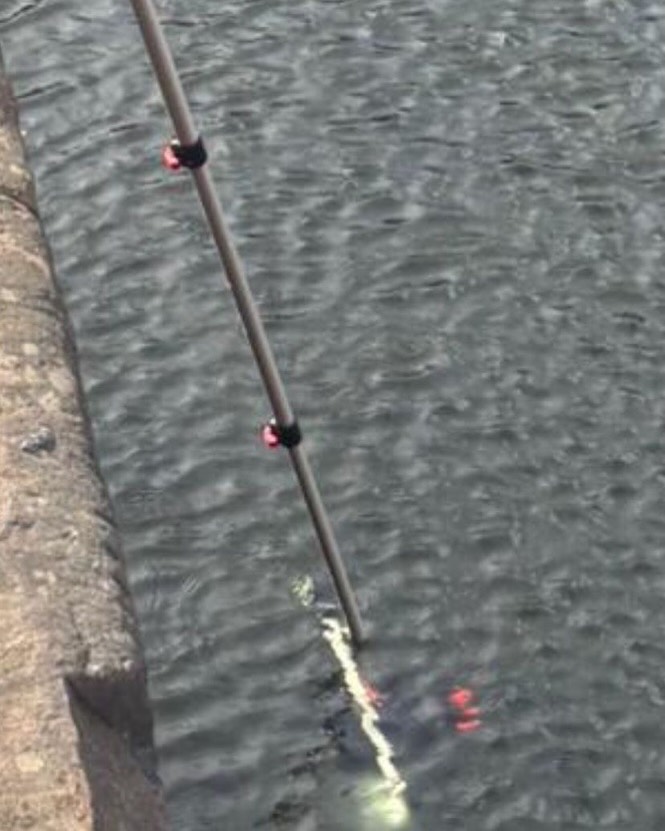
Instead of scanning with lasers or sonar alone, divers, remotely operated vehicles (ROVs) or surface platforms capture a dense grid of high-quality images of the underwater area. Specialist software then:
- Identifies common points between each image
- Calculates the position of those points in 3D space
- Generates a detailed point cloud and textured surface model
Tied into accurate survey control, this produces metric, measurable 3D data suitable for engineering design, inspection, monitoring and BIM workflows.
How Underwater Photogrammetry Supports Hydrographic Survey
Hydrographic surveys are typically focused on mapping depths and underwater terrain, the seabed or riverbed, using single-beam or multi-beam echo sounders. While, underwater photogrammetry concentrates on structure and fine detail.
Used together, they give a much richer picture of the underwater environment:
-
Bathymetric survey for the wider area
Sonar technology provides a continuous model of depths and bed levels for navigation, dredging or flood risk modelling.
-
Underwater photogrammetry for local detail
High-resolution 3D models capture the exact condition of submerged structures such as abutments, piers, sheet piles, culvert inlets, scour protection and outfalls.
-
Joined-up datasets
The photogrammetric model is referenced to the same control network as the hydrographic survey, river surveys and any adjacent land survey. The result is a single, coherent dataset spanning land, water and structure.
For many projects, this offers a powerful alternative or complement to traditional diver-only inspections or purely sonar-based measurements.
Where Underwater Photogrammetry Adds Value
Where Underwater Photogrammetry Adds Value
Underwater photogrammetry is not simply about producing striking imagery. For engineering and construction use, the process is carefully controlled to deliver reliable survey data:
-
- Survey planning
The coverage, image overlap and camera paths are designed in advance, often based on previous hydrographic or bathymetric survey data. - Data capture
Cameras are mounted on divers, ROVs, poles or surface craft depending on water depth, visibility and access. Lighting and exposure are controlled to maximise clarity. - Georeferencing and control
Survey-grade control targets, GNSS and total station observations are used to tie the model into the same grid as surrounding land survey, mobile mapping and 3D laser scanning. - Processing and quality control
The images are processed to generate dense point clouds and meshes. Checks against independent measurements ensure the model meets the required tolerances. - Deliverables
- Survey planning
Typical outputs include:
-
- 3D point clouds suitable for CAD or BIM
- Textured meshes for visual inspection
- 2D orthophotos of vertical surfaces
- Sections and measurements for design teams
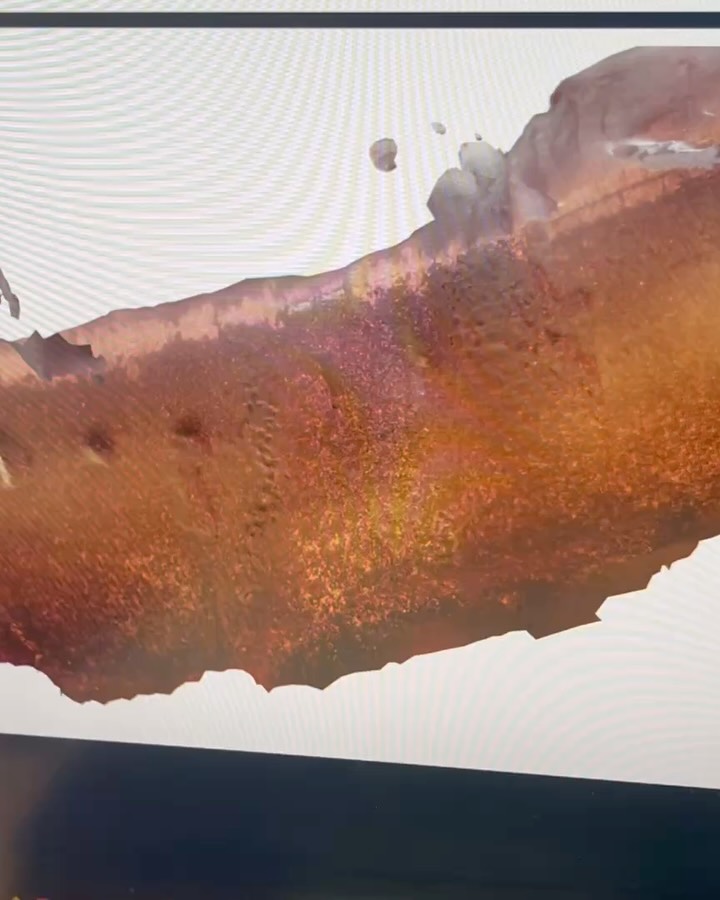
In many cases, the underwater photogrammetry becomes part of a wider point cloud survey, sitting alongside terrestrial laser scanning and drone-based LiDAR.
Safer, Richer and More Repeatable
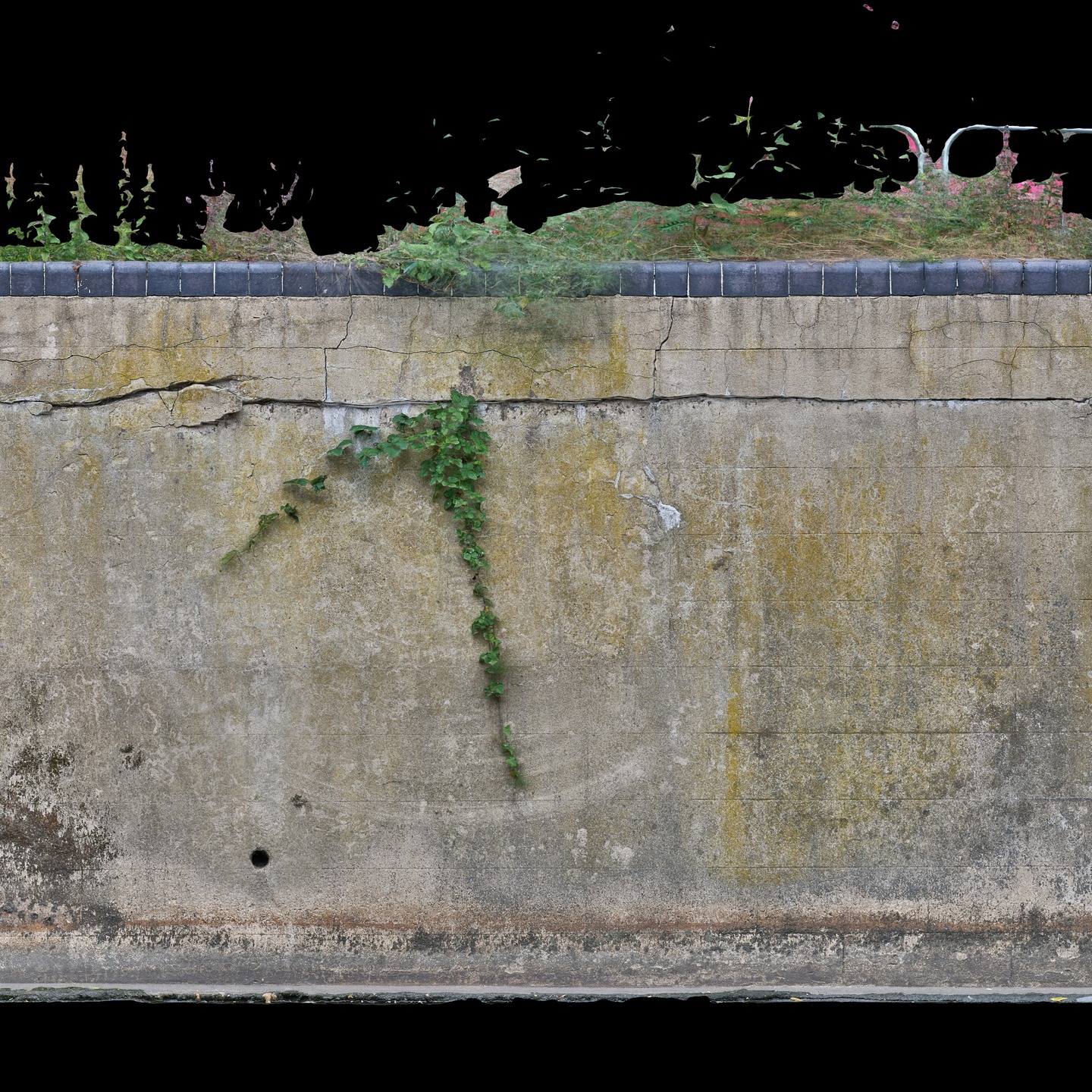
Compared with traditional inspection methods, underwater photogrammetry offers several key advantages:
-
Improved safety
Less time is required for divers to work in hazardous conditions. In some environments, ROVs or surface platforms can remove the need for diver entry entirely.
-
High-resolution detail
The ability to zoom in on a model and measure precise defects or deformations is invaluable for asset management and design.
-
Repeatable monitoring
Future surveys can be compared directly, supporting long-term monitoring surveys for scour, settlement and deterioration.
-
Integration with existing surveying services
Underwater models can be combined with UAV survey, 3D laser scanning, mobile mapping and conventional hydrographic survey data to give a complete picture of the site.
Underwater Photogrammetry Within a Full Surveying Service

The real value comes when underwater photogrammetry is delivered as part of a coordinated surveying service, rather than as a stand-alone exercise.
A typical project might include:
- Topographical survey of the surrounding land, access routes and adjacent structures
- Hydrographic surveys and bathymetric survey of the channel, harbour or reservoir
- Underwater photogrammetry of key structures such as bridge piers, culvert portals or dam spillways
- 3D laser scanning of the above-water superstructure and embankments
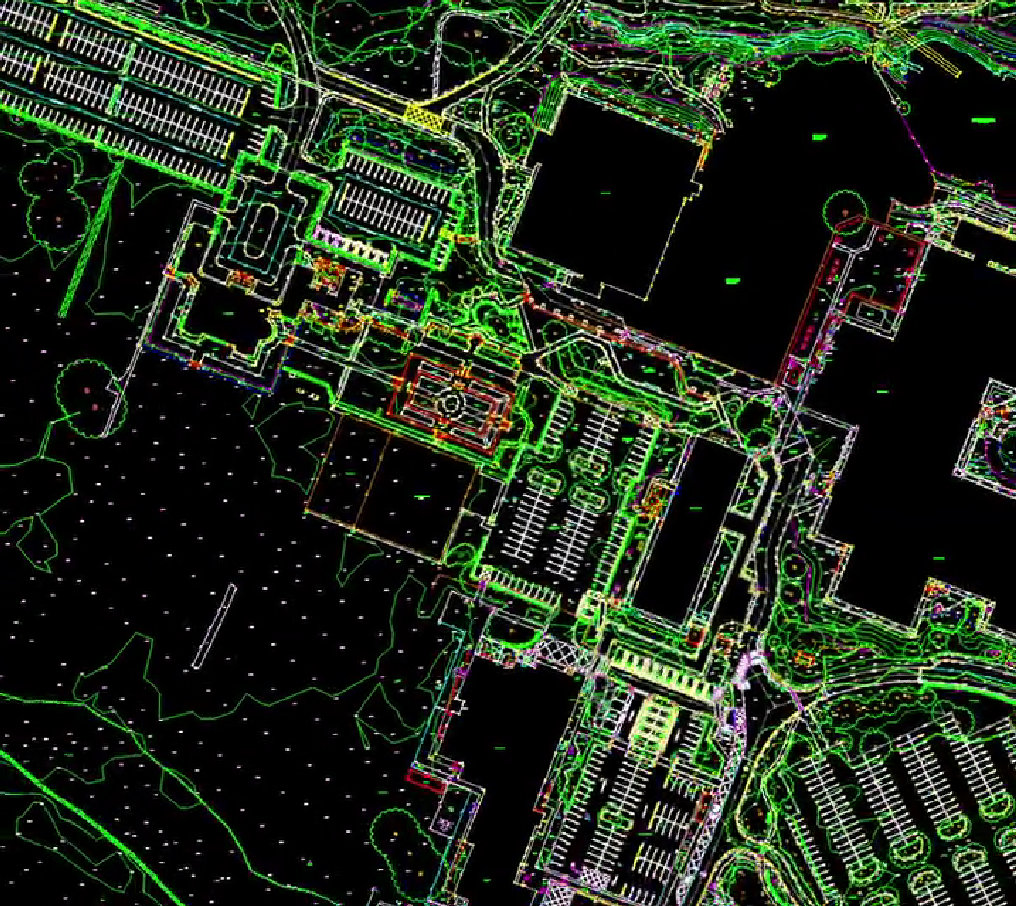
- A unified 3D survey model, CAD drawings and derived sections for designers and engineers
Working with Survey Operations, clients benefit from consistent control, a single point of responsibility and deliverables tailored to their design workflows, whether that’s traditional CAD, BIM, or specialist river and coastal modelling software.
When Should You Consider Underwater Photogrammetry?
You may want to include underwater photogrammetry in your specification if:
- You need a hydrographic survey and also require a detailed record of underwater structures
- Visual condition and fine defect mapping are important, not just levels and depths
- You are planning remedial works, strengthening or replacement of underwater assets
- Like-for-like comparison over time is needed as part of a monitoring or dam safety regime
- Access is restricted or diver time needs to be minimised for safety reasons
In many cases, a brief discussion at the planning stage allows the survey methodology to be adapted so photogrammetry, sonar and terrestrial data all work together efficiently.
Bringing Clarity Beneath the Surface
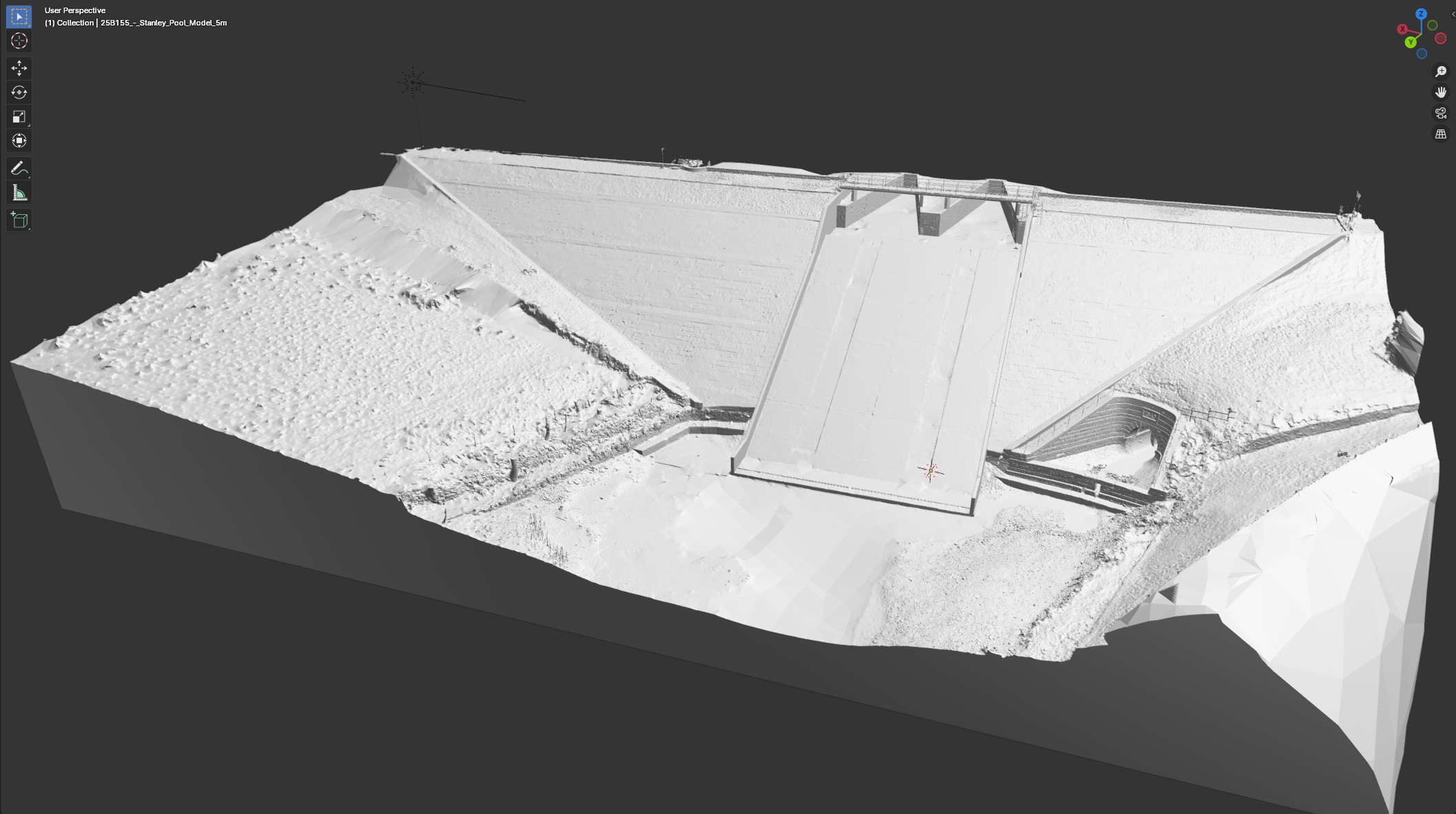
Underwater environments have always been challenging places to survey. With modern photogrammetry, those same environments can now be captured in high-resolution 3D, providing engineers, designers and asset owners with the clarity they need to make confident decisions.
Combined with established hydrographic surveys, river surveys and land-based surveying services, underwater photogrammetry is helping to bridge the gap between what lies above and below the waterline and turning previously hidden structures into measurable, manageable assets.